What Exercise Does to Your Brain: The Neurotransmitter Effect
How exercise regulates dopamine, serotonin, norepinephrine and GABA and why that matters more than any physical result.
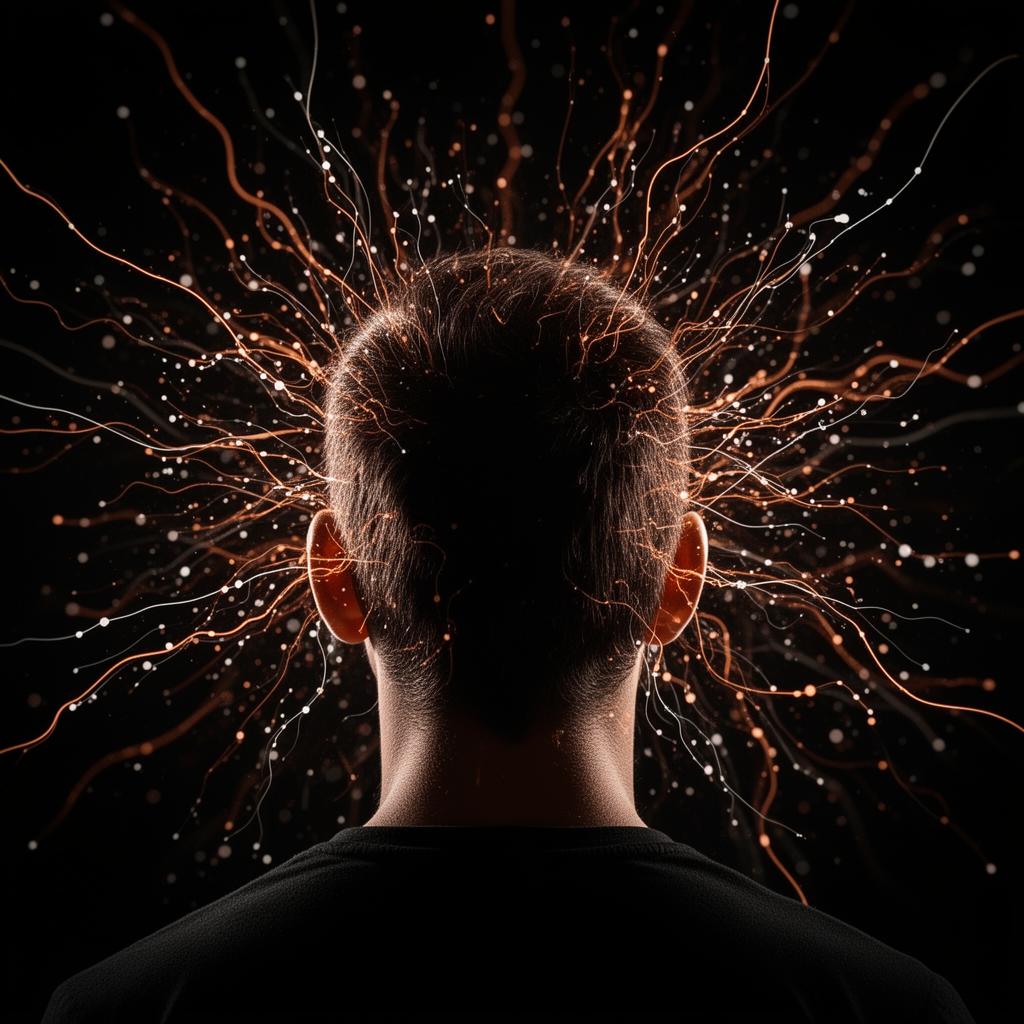
Most people think about exercise in terms of what it does to the body. The muscle built. The fat lost. The cardiovascular system strengthened.
But the most significant thing exercise does happens above the shoulders.
I have spent years studying the relationship between movement and brain chemistry. Not as an abstract interest but because understanding it changed everything about how I coach, and how I eat, and how I structure recovery. Once you see it, you cannot unsee it.
Your brain runs on chemistry
Every thought you have, every mood you experience, every moment of focus or fog, craving or calm, is shaped by neurotransmitters. These are the chemical messengers that carry signals between brain cells.
The four most relevant to how you feel day to day are dopamine, serotonin, norepinephrine and GABA.
Most people have heard of at least two of them. Most people do not know that exercise is one of the most powerful tools available for regulating all four, without a prescription, without side effects and with benefits that compound over time.
What each one does and how exercise affects it
Dopamine is your drive chemical. It governs motivation, reward and the feeling of anticipation. Low dopamine does not just make you feel low. It makes everything feel pointless. The things that used to excite you go flat.
Exercise, particularly high-intensity training, triggers a significant dopamine release. But more importantly, it increases the density of dopamine receptors over time. This means your brain becomes better at responding to dopamine, not just dependent on spikes of it. You build a more stable baseline of motivation.
Serotonin governs mood, emotional stability and the sense that things are fundamentally okay. It is produced primarily in the gut, which is why gut health and mental health are so closely linked, something I was studying long before it became mainstream conversation.
Rhythmic, sustained exercise, including running, cycling, rowing and steady lifting, increases serotonin synthesis. This is why a long walk genuinely lifts your mood. It is not distraction. It is chemistry.
Norepinephrine is your focus and alertness chemical. It sharpens attention and helps you respond to challenge without tipping into panic. Exercise increases both norepinephrine release and the brain's sensitivity to it, which is why trained individuals tend to stay calmer under pressure. Their system has been conditioned to respond to stress efficiently rather than chaotically.
GABA is your brake pedal. It quiets overactive neural circuits, reduces anxiety and allows the brain to rest. Resistance training in particular has been shown to increase GABA activity, which is one reason people report sleeping better when they lift consistently.
What this means for cravings
This is where it gets particularly important and where I spend a lot of time with clients.
Most cravings are not about food. They are about neurotransmitters. When you reach for sugar, ultra-processed food or caffeine at the wrong times, your brain is usually trying to self-medicate a deficiency.
Dopamine low, reach for sugar. Serotonin low, reach for carbohydrates. Norepinephrine low, reach for stimulants.
Understanding your neurotransmitter pattern changes the conversation entirely. Instead of fighting willpower, you start addressing the actual signal. And exercise is one of the most direct ways to address it.
A well-structured training week is not just physical maintenance. It is neurochemical management.
The gut-brain axis
I was taught the relationship between food, neurotransmitters and behaviour directly from a teacher whose peer-reviewed research explored exactly this. It shaped how I approach nutrition with every client I work with.
Approximately 90 percent of the body's serotonin is produced in the gut. The gut and brain communicate constantly via the vagus nerve. The state of your microbiome directly influences your mood, focus and emotional resilience.
This is why I am not interested in short-term diets. I am interested in building the gut environment that produces the brain chemistry you need to function well. Real food, consistent eating patterns, and consistent movement. They are not separate interventions. They are one system.
Why consistency matters more than intensity
One session produces a temporary shift in neurotransmitter levels. That is useful. You feel better after a workout.
But the structural changes, including the increased receptor density, the improved synthesis and the better stress response, take weeks and months of consistent training to build.
This is why I keep my client numbers low. The people I work with are not here for a month. They are here to build something that lasts. And the neurological benefits of consistent exercise are as significant as the physical ones, arguably more so.
You are not just changing your body. You are rewiring your brain.
That is worth doing properly.
Kam is the founder of KAMFIT. He works with individuals, groups and teams across Berkshire and beyond as a personal trainer, life coach and massage therapist.
Want a programme built around your goals?
Join the KAMFIT waitlist and be first in line when a coaching spot opens.
Get in touch